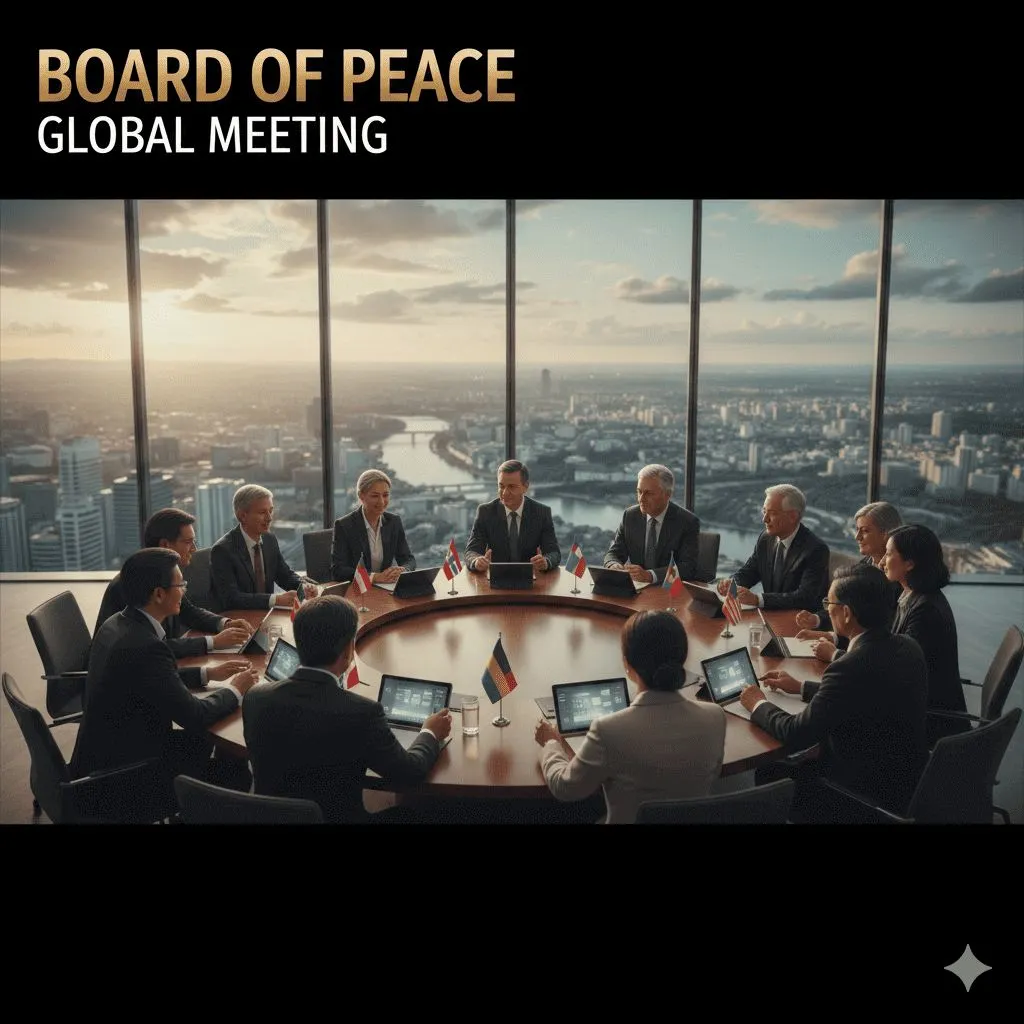
Intro / Lead Paragraph (Most Important)
A proposal to introduce a seating fee for participation on the Board of Peace has ignited worldwide debate, raising questions about access, fairness, and influence as governments, civil society groups, and diplomats weigh its implications for global governance.
Key Highlights
- A proposed seating fee for the Board of Peace members has triggered global criticism and support.
- Supporters argue that fees ensure the sustainability and seriousness of participation.
- Critics warn it could exclude poorer nations and undermine legitimacy.
- The debate highlights broader tensions in international institutions over equity and reform.
- Final decisions could reshape how peace and conflict-resolution bodies operate.
What Is Happening?
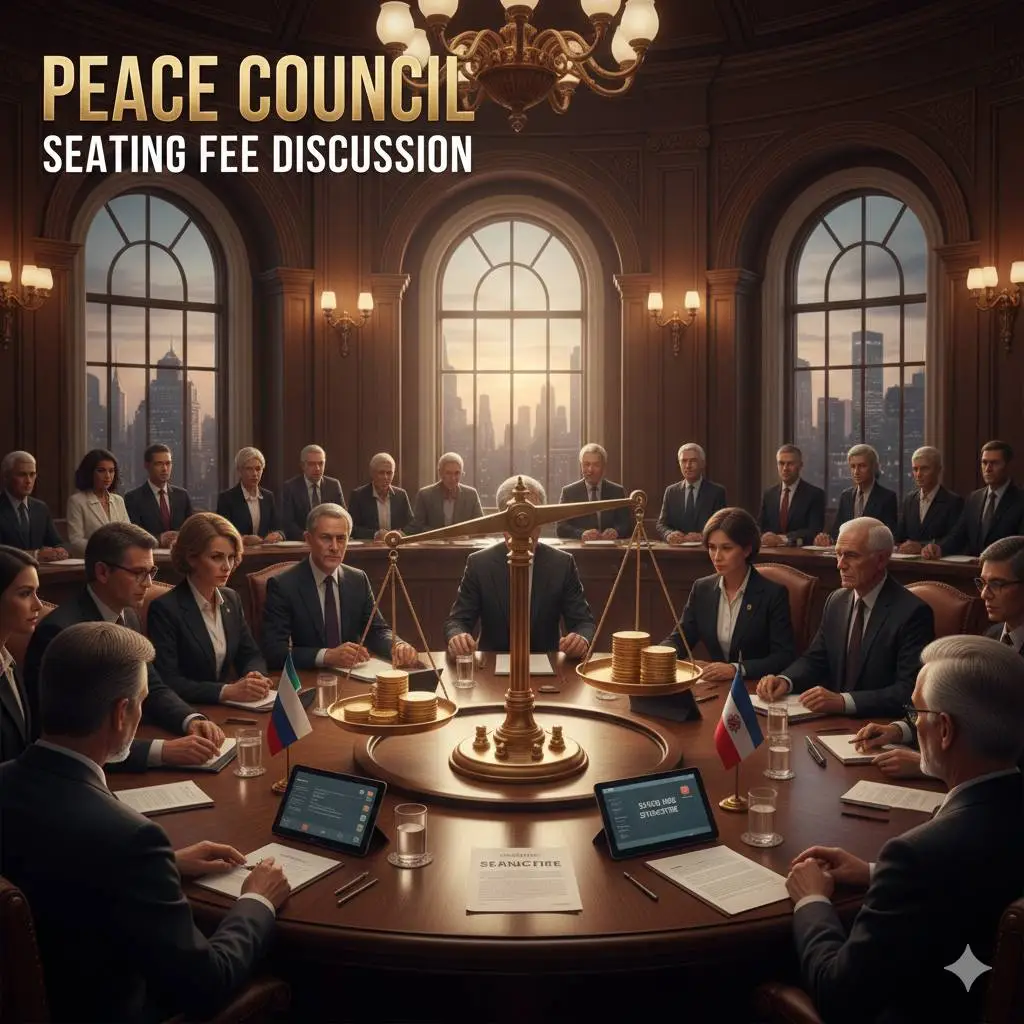
The Board of Peace, a symbolic and operational body designed to promote dialogue, conflict resolution, and international cooperation, is considering a controversial policy: charging a Board of Peace seating fee for member participation. While the exact amount and structure of the cost vary by proposal, the idea itself has become the center of intense global discussion.
Proponents frame the fee as a practical response to rising operational costs, arguing that maintaining the global Board of Peace forums requires stable funding. Opponents, however, see the move as a fundamental shift away from the board’s founding principle of equal representation regardless of economic strength.
What makes this issue particularly sensitive is timing. The debate comes amid growing geopolitical instability, active conflicts in multiple regions, and declining trust in international institutions. Against this backdrop, even administrative changes carry symbolic weight far beyond their financial impact.
Key Constituencies & Candidates
The strongest reactions have come from developing and conflict-affected nations, many of which rely on the Board of Peace as one of the few platforms where their voices carry formal weight. For these countries, a seating fee is not merely an expense but a potential barrier to participation.
Wealthier nations and long-standing contributors to international organizations have expressed more measured responses. Some diplomats privately acknowledge that fee-based participation already exists in indirect forms, such as voluntary contributions and staffing commitments.
Civil society organizations, Board of Peace advocates, and academic experts form another critical constituency. Many warn that introducing a fee could tilt the influence toward countries or entities able to pay more, creating an implicit hierarchy within a body meant to foster equality and trust.
Statements from Officials
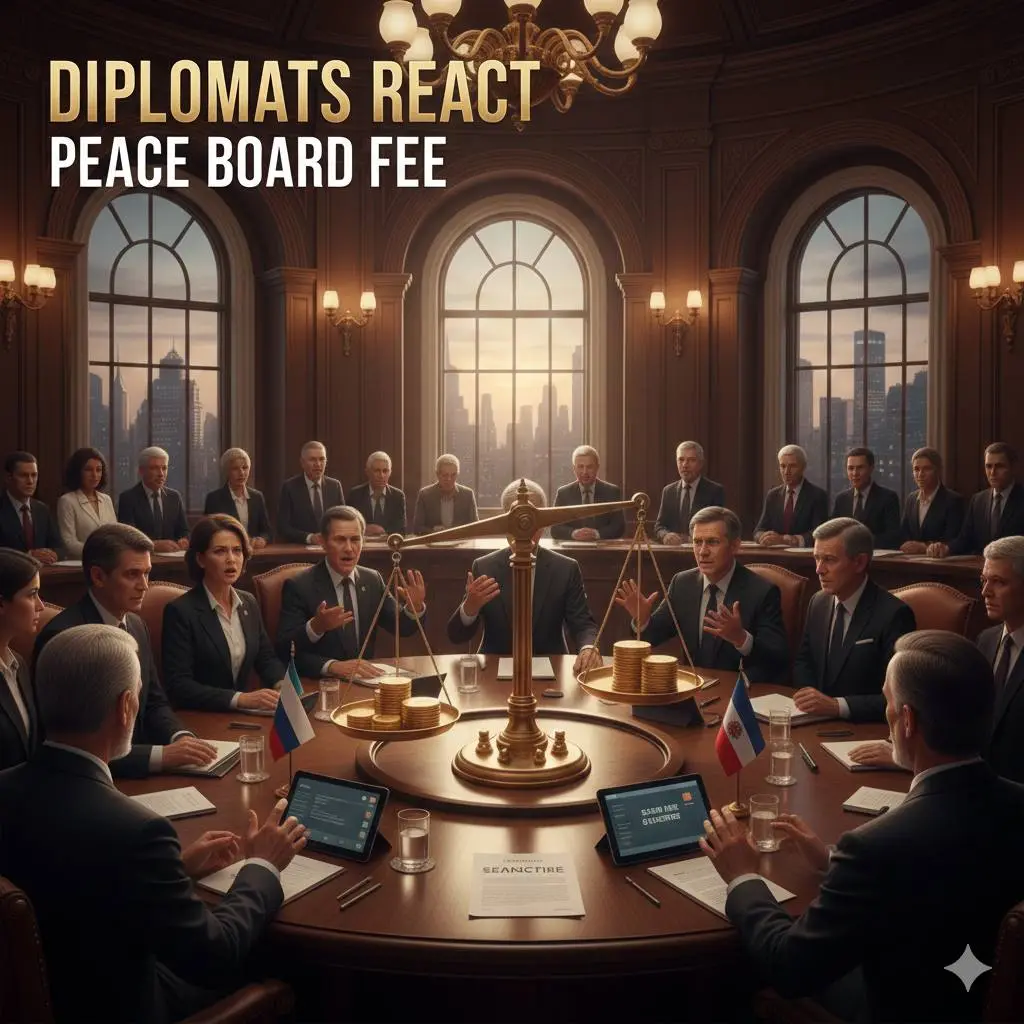
Several officials have publicly defended the proposal, emphasizing fiscal responsibility. Supporters argue that a modest seating fee would demonstrate commitment, reduce symbolic participation, and ensure that members take their responsibilities seriously.
On the other side, critics, including former peace envoys and regional representatives, have issued sharp warnings. They argue that peace-building credibility depends on inclusivity, not financial thresholds. One senior diplomat noted that “peace cannot be auctioned without losing its moral authority.”
Notably, some officials have called for compromise solutions, such as sliding-scale fees, exemptions for low-income countries, or alternative funding models that avoid direct charges for participation.
Voter Turnout & Arrangements
Although the Board of Peace does not operate through popular elections, the issue has sparked public engagement in many countries. Parliamentary debates, policy forums, and media discussions suggest growing public interest in how international peace institutions are funded and governed.
Internal voting procedures within the board will determine whether the seating fee is adopted. These votes are typically influenced by regional blocs, diplomatic negotiations, and behind-the-scenes consensus-building rather than simple majority rule.
Observers note that how transparently the process is handled may matter as much as the outcome itself. A rushed or opaque decision could deepen skepticism toward the board’s leadership.
Background & Political Context
The debate reflects a broader crisis facing global institutions: how to remain effective, inclusive, and financially sustainable at the same time. Many international bodies created in the post-war era now struggle with funding gaps, overlapping mandates, and declining political support.
In recent years, similar controversies have emerged around contribution requirements in climate bodies, health organizations, and development banks. Each case raises the same core question: who pays, and who decides?
For the Board of Peace, the challenge is especially acute. Its legitimacy rests not on enforcement power but on moral authority, trust, and participation. Any perception that access can be bought risks weakening its influence in real-world conflicts.
What Happens Next?
The proposal is expected to undergo further review, including legal analysis and consultations with member states. Amendments are likely, particularly as opposition grows from regions that feel disproportionately affected.
If adopted, the seating fee could set a precedent for other peace and mediation bodies, potentially reshaping the financial architecture of international diplomacy. If rejected, the board will still face pressure to present alternative solutions for long-term funding.
Either way, the debate has already forced a reckoning. It has exposed deep divides over power, equity, and responsibility in global peace efforts, divides that will not disappear with a single vote.
Conclusion
The controversy over a Board of Peace seating fee is about more than money. It is a test of whether global peace institutions can adapt to modern realities without compromising their core values. As the world watches, the decision will signal whether peace remains a shared responsibility or a privilege reserved for those who can afford a seat at the table.

Lalu Mestri is a passionate content writer specializing in SEO-focused articles, news analysis, and informative blog content. He has experience creating well-researched, engaging, and reader-friendly content across a variety of topics, including current events, lifestyle, and digital trends. Lalu focuses on delivering clear, accurate, and valuable information while maintaining strong search engine optimization practices. His goal is to help readers understand complex subjects through simple, structured, and high-quality writing.