Shutdown Brinkmanship: The White House Standoff of 2026
WASHINGTON On January 29, 2026, a fractured U.S. government teeters on the edge of a partial shutdown as the White House and Senate Democrats remain deadlocked over radical reforms to federal immigration enforcement following a fatal shooting in Minneapolis.
Key Highlights
- Shutdown Countdown: A partial government shutdown is imminent at midnight Friday if a deal on Department of Homeland Security (DHS) funding is not reached.
- The Minneapolis Catalyst: National outrage continues to mount over the fatal shooting of 37-year-old Alex Pretti by federal agents during a protest on January 24.
- Democrat Demands: Senate Minority Leader Chuck Schumer is demanding an end to “roving patrols,” a new code of conduct for ICE, and a requirement for agents to be unmasked and identified.
- White House Response: President Trump has signaled a slight “de-escalation” in Minneapolis but remains firm on broader immigration enforcement strategies.
- Winter Storm Threat: Experts warn that a shutdown could drain FEMA’s Disaster Relief Fund, which is currently supporting recovery from a massive, multi-state winter storm.
What Is Happening?
The “emergency” at the White House today is political and fiscal. The United States is facing its second potential government shutdown in just two months. The current crisis is uniquely volatile because it is tied to a human rights debate rather than just budgetary math. Senate Democrats have essentially taken the DHS funding bill hostage, refusing to provide the necessary votes unless the Trump administration agrees to overhaul Immigration and Customs Enforcement (ICE) and Customs and Border Protection (CBP) protocols.
The Minneapolis Incident
The catalyst for this emergency was the January 24 shooting of Alex Pretti, a 37-year-old nurse, in Minneapolis. Pretti was killed by federal agents during a protest. While officials initially labeled him a “domestic terrorist,” the White House has since backtracked, with Deputy Chief of Staff Stephen Miller admitting that agents may have breached protocol. This incident, following the earlier death of Renee Good, has transformed a routine budget debate into a “moral moment” for the opposition.
Statements from Officials
The rhetoric from both sides has reached a fever pitch:
- Chuck Schumer (Senate Minority Leader): “The American people… do not support ICE terrorizing our streets and killing American citizens. The legislation won’t pass until ICE is reined in.”
- Donald Trump (President): Announced a “de-escalation” in Minneapolis but rejected the “assassin” label for federal agents, calling for an “honorable and honest investigation.”
- Karoline Leavitt (White House Press Secretary): Expressed concern over the lapse of FEMA funding during the ongoing winter storm recovery.
FEMA & The Winter Storm
Beyond the political theater, there is a logistical emergency. A massive winter storm has already claimed at least 70 lives across 12 states. While FEMA currently has approximately $7 billion to $8 billion in its Disaster Relief Fund, a prolonged shutdown would halt the appropriation of new funds, potentially “choking” the federal response if new disasters strike during the lapse.
Background & Political Context
This standoff occurs against a backdrop of “Trump 2.0” immigration policies, characterized by an aggressive surge in enforcement. The deaths in Minneapolis have unified the Democratic caucus in a way rarely seen, leading to a demand for the Homeland Security bill to be separated from the general funding package, a move the Republican-led House has so far rejected.
What Happens Next?
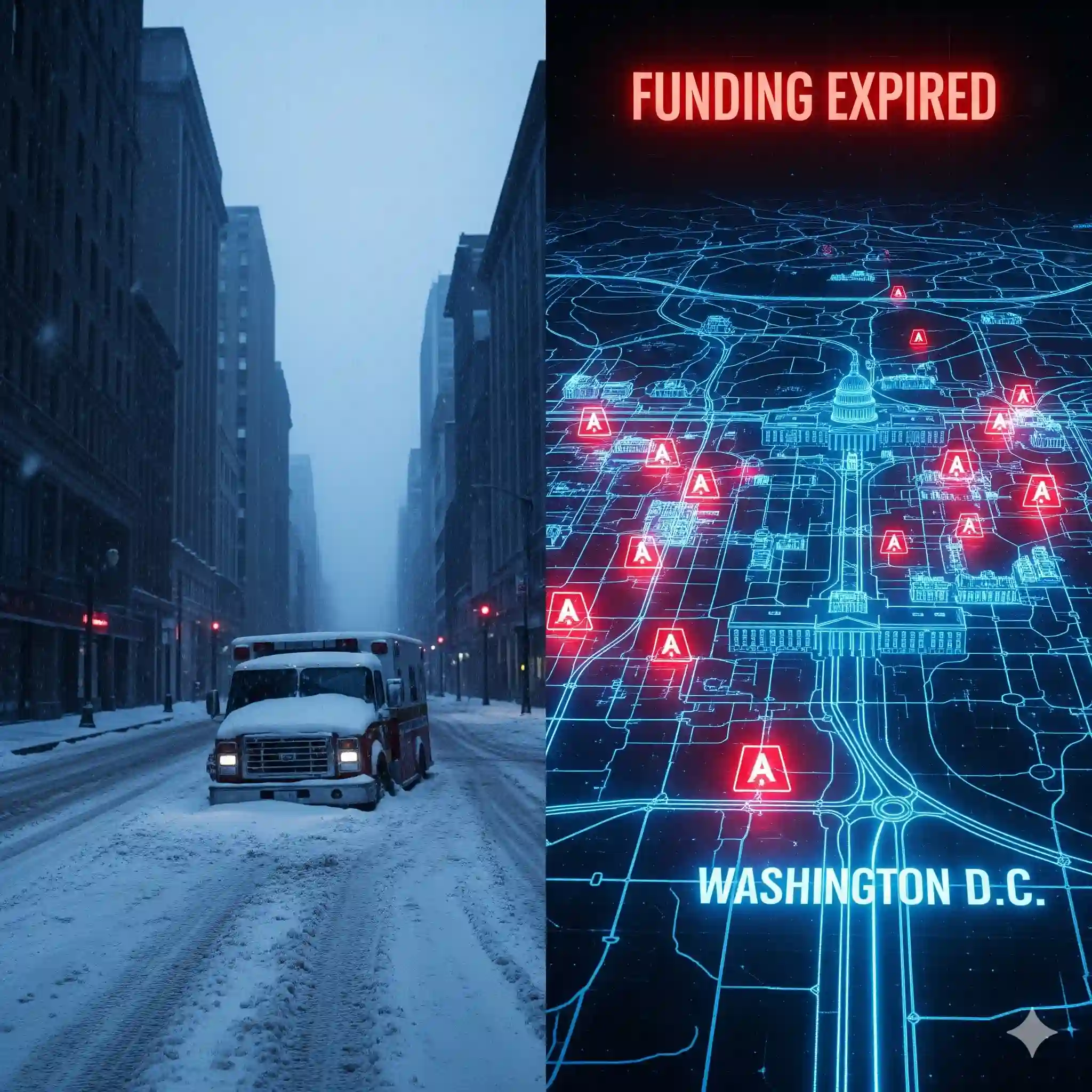
- The Midnight Deadline: If no “clean” continuing resolution or compromised DHS bill is passed, the government will partially shut down at 12:01 AM Saturday.
- Minneapolis Unrest: Further protests are expected as the administration moves hard-line Border Patrol commander Gregory Bovino out of the city in a bid to lower tensions.
- Legislative Maneuvers: Senate Majority Leader John Thune may attempt to break the funding package apart, but he requires the unanimous consent of all 100 senators, an unlikely outcome in the current climate.
Conclusion
The emergency today is a symptom of a deeply divided Washington, where local tragedies in cities like Minneapolis now dictate national fiscal policy. The White House is caught between its “law and order” mandate and the reality that a shuttered government could hamper its ability to respond to the very natural disasters and security threats it claims to prioritize.

Lalu Mestri is a passionate content writer specializing in SEO-focused articles, news analysis, and informative blog content. He has experience creating well-researched, engaging, and reader-friendly content across a variety of topics, including current events, lifestyle, and digital trends. Lalu focuses on delivering clear, accurate, and valuable information while maintaining strong search engine optimization practices. His goal is to help readers understand complex subjects through simple, structured, and high-quality writing.