Introduction
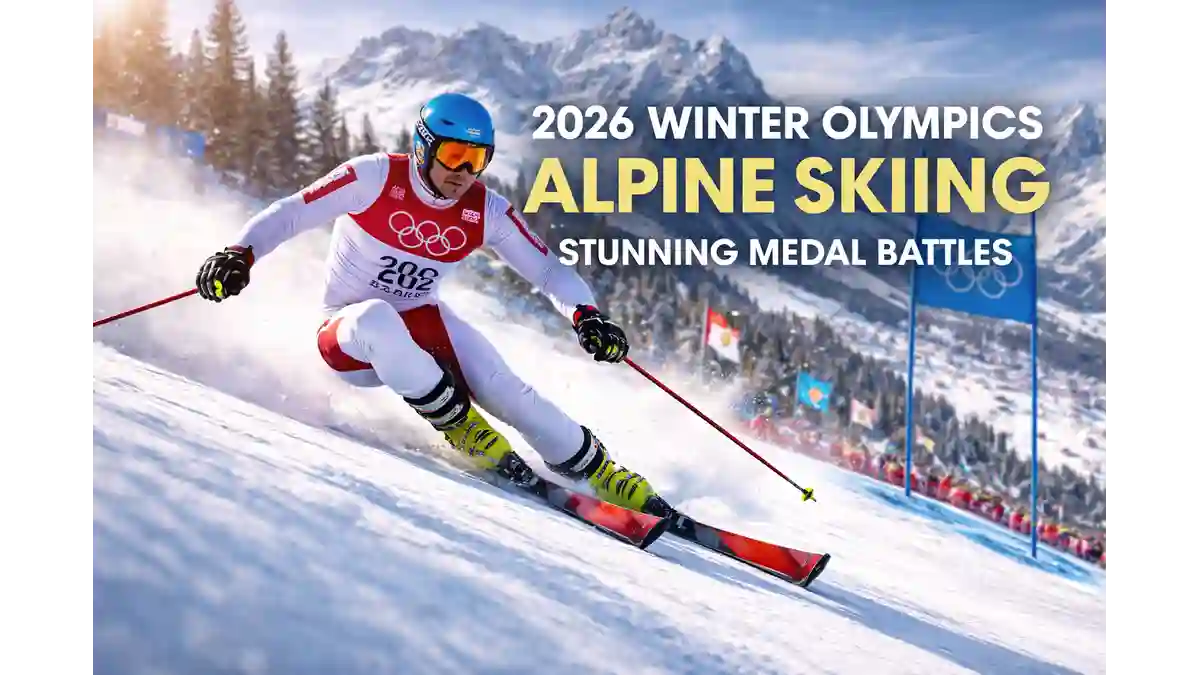
Alpine skiing at the 2026 Winter Olympics in Cortina d’Ampezzo and Bormio is delivering intense competition, with elite athletes battling across disciplines from February 7–18, showcasing speed, precision, and dramatic, unpredictable medal outcomes.
Key Highlights
- 10 medal events across men’s and women’s alpine skiing
- Hosted during the 2026 Winter Olympics
- Breakthrough performances from emerging nations
- Dominance challenged by rising global competitors
- Blend of speed and technical disciplines testing all-round skill
- Packed crowds and strong global broadcast engagement
What Is Happening?
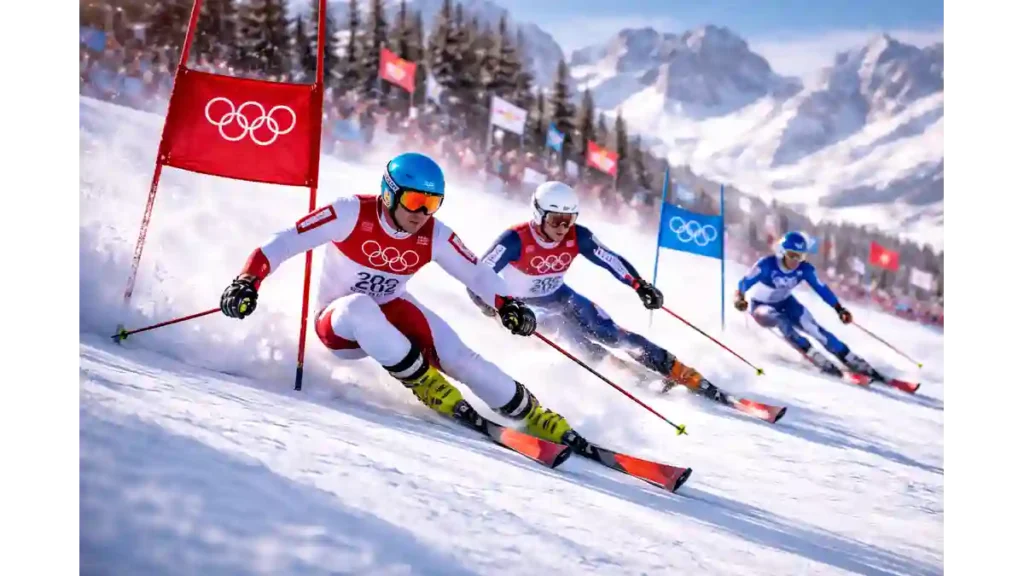
Alpine skiing has once again emerged as one of the centerpiece attractions of the Winter Olympics, combining raw speed with technical mastery. Events such as downhill and super-G push athletes to their physical limits, while slalom and giant slalom demand precision, agility, and split-second decision-making.
The 2026 edition stands out for its razor-thin margins. Many races have been decided by fractions of a second, highlighting how competitive the field has become. Unlike earlier Olympic cycles where a handful of nations dominated, this year’s competition is far more open, with athletes from a wider range of countries making podium appearances.
Another defining feature is the growing unpredictability. Favorites are being challenged by lesser-known competitors, making each race difficult to forecast. This has increased viewer engagement and brought fresh excitement to the sport.
Key Constituencies & Candidates
Several elite athletes are shaping the narrative of alpine skiing in 2026, blending experience with new energy:
- Lucas Pinheiro Braathen has become one of the biggest stories of the Games. Representing Brazil, his success signals a historic shift in alpine skiing, a sport traditionally dominated by European nations. His performance is inspiring a new generation of athletes from non-traditional winter sports countries.
- Mikaela Shiffrin continues to be a benchmark in technical skiing. Her consistency, mental strength, and ability to perform under pressure make her one of the most influential figures in the sport.
- Sofia Goggia, competing on home snow, carries immense expectations. Known for her aggressive style in speed events, she remains a top contender and a crowd favorite.
- Marco Odermatt represents the new generation of dominant male skiers, combining strength, technique, and strategic racing.
Together, these athletes reflect both continuity and change, established champions maintaining excellence while new names disrupt the hierarchy.
Statements from Officials
Officials from the International Olympic Committee and event organizers have emphasized the importance of safety and fairness throughout the competition. Alpine skiing, by nature, involves high speeds and inherent risk, making course design and weather monitoring critical.
Organizers have also highlighted sustainability as a key focus. Instead of constructing entirely new venues, existing infrastructure has been upgraded and reused. This approach not only reduces environmental impact but also sets a precedent for future Olympic planning.
Additionally, officials have pointed to improved athlete facilities and logistics, ensuring competitors can focus entirely on performance without operational disruptions.
Voter Turnout & Arrangements
While alpine skiing does not involve voting, its equivalent fan turnout and engagement have reached impressive levels. The scenic venues in northern Italy have attracted large crowds, creating an electrifying atmosphere.
Broadcast coverage has expanded across digital platforms, allowing millions worldwide to follow events live. This accessibility has helped alpine skiing reach new audiences, particularly in regions where winter sports are less established.
The multi-location hosting model has proven effective. By distributing events across different venues, organizers have reduced congestion while enhancing the spectator experience. Efficient transport systems and well-coordinated schedules have ensured smooth operations throughout the Games.
Background & Political Context
The Milano Cortina 2026 represents a significant evolution in Olympic hosting. It is one of the first Winter Games to be jointly organized across multiple cities, reflecting a shift toward more sustainable and cost-effective models.
Historically, alpine skiing has been dominated by European countries such as Austria, Switzerland, and Italy. However, the 2026 Games highlight a broader global shift. Athletes from countries outside traditional winter sports hubs are now competing and winning at the highest level.
This transformation is driven by better access to training facilities, global coaching networks, and increased investment in winter sports programs worldwide. As a result, alpine skiing is no longer confined to a select group of nations.
What Happens Next?
As the competition progresses, attention turns to the remaining events, particularly the slalom races and team combined competitions. These events are often the most unpredictable, with small mistakes having significant consequences.
Final medal tallies will shape national rankings and could redefine which countries are considered dominant in alpine skiing. For individual athletes, strong finishes could cement legacies or mark the beginning of new careers at the highest level.
Looking beyond the Olympics, the performances in 2026 are likely to influence the future of the sport. Emerging nations may invest more heavily in alpine skiing, while governing bodies could introduce further innovations to maintain global interest.
Conclusion
Alpine skiing at the 2026 Winter Olympics is delivering stunning competition that goes beyond medals. It reflects a sport in transition, more global, more competitive, and more unpredictable than ever before.
From historic breakthroughs to intense rivalries, the events unfolding in Italy are shaping the future of alpine skiing. As new champions rise and traditional powers are challenged, the sport is entering a dynamic new era that promises even greater excitement in the years ahead.

Lalu Mestri is a passionate content writer specializing in SEO-focused articles, news analysis, and informative blog content. He has experience creating well-researched, engaging, and reader-friendly content across a variety of topics, including current events, lifestyle, and digital trends. Lalu focuses on delivering clear, accurate, and valuable information while maintaining strong search engine optimization practices. His goal is to help readers understand complex subjects through simple, structured, and high-quality writing.